Cork has taken a central role in modern construction due to its exceptional natural properties and the growing demands for sustainability in the residential, commercial and industrial construction sectors. Formerly considered a niche material, today cork is widely used not only for its insulating power but also for its eco-friendly characteristics and its ability to improve living comfort.
With the growing need for more energy-efficient buildings, cork has become one of the most sought-after materials for green architecture and green building, meeting the needs of those seeking natural solutions that reduce environmental impact. In particular, because of its ability to regenerate naturally, cork is a renewable and environmentally friendly material that can be harvested cyclically without harming the plant from which it comes, the cork oak. This characteristic makes it especially valuable in an age when a focus on sustainability is crucial.
In terms of technical performance, cork is distinguished by its ability to provide optimal thermal and acoustic insulation. It is used to create more comfortable environments, both from the standpoint of indoor temperature management and noise reduction. The growing focus on home comfort, combined with increasingly stringent requirements for energy efficiency and sustainability, makes cork one of the most versatile and high-performance solutions available on the market.
In addition, modern construction requires materials that not only improve energy efficiency but are also durable and resilient. Cork, due to its resistance to moisture, mold, and weathering, offers greater longevity than many synthetic materials, thus reducing maintenance costs and increasing building durability. This makes cork an excellent choice not only for residential buildings, but also for industrial and commercial projects where durability is essential.
In summary, cork is not only an environmentally friendly and renewable material, but it is a complete solution for those seeking to combine excellent technical performance with a sustainable approach to construction.
Properties of cork: why it is so suitable for construction
Cork is a natural material with properties that make it ideal for a wide range of applications in construction. Its insulating characteristics, ability to regulate moisture, and durability make it a popular choice for projects requiring sustainability and high performance.
Thermal insulation
Cork is best known for its excellent thermal insulation properties. Its natural cell structure is composed of millions of tiny air-filled cells, which act as barriers to the passage of heat. This makes it highly effective in keeping the temperature inside buildings stable, thus reducing the need to use heating or cooling systems. Cork can reduce heat transmission both in winter, keeping heat inside rooms, and in summer, preventing heat from entering from outside. This capability makes it particularly suitable for buildings that must meet high energy requirements, such as those certified LEED o NZEB (Near Zero Energy Building).
Sound insulation
In addition to thermal insulation, cork is also an excellent sound insulator. Its cellular structure, in addition to blocking heat, is extremely effective in absorbing sound waves, reducing noise transmission between spaces. This makes it especially useful in residential, commercial, or public buildings where noise needs to be limited, such as theaters, conference rooms, and apartments. In many modern buildings, especially in high-density urban settings, the use of sound-absorbing materials such as cork is crucial to improving the acoustic comfort of occupants.
Breathability and moisture resistance
One of the most valued features of cork is its breathability: it allows air to circulate and moisture to escape without retaining condensation, which prevents mold and other moisture-related problems in buildings. This is especially important in wetlands or in historic building renovation projects, where maintaining the healthiness of structures is crucial. Because of this property, cork is widely used for interior roofing and siding, where the balance between insulation and breathability is essential.
Fire resistance and durability
Cork is also naturally fire resistant. Unlike other materials, cork does not emit toxic gases when exposed to fire and has high resistance to combustion, making it safe to use even in areas with
d high risk of fire. In addition, it is extremely resistant to weathering and insect attack, which increases its durability. This reduces the need for frequent replacement or maintenance, making cork a cost-effective material in the long run.
Functions and innovations of cork in construction 
Thus, cork is one of the most versatile and innovative materials used in construction because of its many functions that make it suitable for different types of applications. In addition to providing excellent insulation properties, cork is a material that is suitable for multiple uses in residential, commercial and industrial construction. As building technologies have evolved, new applications and solutions have been developed that have expanded their use.
Thermal and acoustic insulation
Cork continues to be one of the most effective materials forthermal and acousticinsulation in construction, as we have mentioned. As a thermal insulator, it is in fact applied in walls, floors and roofs, reducing heat loss and maintaining a stable indoor temperature in both winter and summer. The thickness of cork panels varies according to the needs of the project and climate zone. From the perspective ofsound insulation, cork is used in a variety of contexts, from urban apartment buildings to conference rooms, due to its ability to absorb noise and limit sound transmission .
Coatings and subfloors
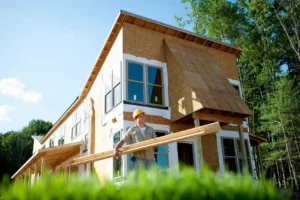
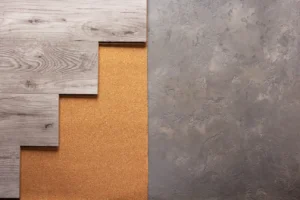
A growing application of cork in construction is as exterior cladding and as a material for floor underlayments. Cork used as an exterior cladding protects the walls from weathering and, at the same time, provides additional thermal insulation. Similarly, cork is used in floor underlays to improve anti-vibration properties and reduce impact noise, increasing living comfort in residential and commercial buildings .
Innovations in sustainable construction
 Due to the growing focus onsustainable building, cork has become a favorite solution for green building and bioarchitecture projects. Among the most recent innovations is the use of cork in composite materials, which combines cork with other elements to enhance performance. In particular, composite panels made of cork and wood or cork and clay have been developed, offering mechanical strength and superior insulation. These materials are mainly used in low-impact construction, where cork plays a crucial role in improving energy efficiency and reducing CO2 emissions.
New technologies are also expanding the use of cork in more complex contexts, such asindustrial construction. In these projects, cork is used not only for its insulating properties, but also for its contribution to the durability of the structures, due to its aforementioned ability to resist moisture and wear .
Environmental benefits of using cork
One of the main advantages of cork in construction, especially at a time such as we are currently experiencing, is its outstanding environmental sustainability profile. As an all-natural and renewable material, cork contributes significantly to reducing the environmental impact of construction, and its life cycle aligns perfectly with the principles of the circular economy.
CO₂ sequestration capacity.
Cork oak forests, distributed mainly in countries such as Portugal, Spain and Italy, are able to sequester large amounts of carbon dioxide from the atmosphere. Cork forests are estimated to absorb up to 30.66 million tons of CO₂ each year, contributing significantly to the reduction of global greenhouse gas emissions. This ability to capture CO₂ is enhanced by the fact that a cork oak, when decorticated, absorbs about five times more CO₂ than an unhulled tree during the bark regeneration process.
Renewable and energy-efficient material
The cork production cycle is characterized by low energy consumption and minimal CO₂ emissions, especially when compared with synthetic insulation materials. The processing of expanded cork, for example, does not require the use of chemical adhesives, making it fully recyclable and reusable at the end of its life. This circular nature of the material reduces the need for landfill disposal and encourages continuous reuse of the material, even after decades of use.
Protection of ecosystems
In addition to providing direct benefits to construction, cork oak forests represent one of the most important biodiversity ecosystems in the world. Cork oak forests are home to more than 200 species of birds, mammals, reptiles and amphibians, making them critical to protecting these species and preventing desertification in endangered areas. In addition, cork oak forests act as natural barriers against fire, helping to limit the spread of fire in areas prone to seasonal fires.
Longevity and waste reduction
Another crucial aspect of cork is its durability. This material has a long service life and, due to its natural resistance to moisture, weathering and insects, does not require frequent maintenance. This dramatically reduces the production of construction waste and the need to replace insulation over time.
Thus, cork not only improves the energy efficiency and living comfort of buildings, but also represents a responsible environmental choice, contributing to the reduction of CO₂ emissions and the protection of natural ecosystems.
Specific applications of cork: renovation and industrial construction 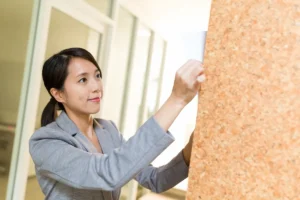
Cork is particularly popular in historic building renovations and industrial construction. Thanks to its natural thermal and acoustic insulation properties, it can preserve architectural heritage without compromising energy efficiency or sustainability.
Renovations of historic buildings
Renovations of historic buildings require materials that are compatible with the structural and cultural needs of often listed buildings. Cork stands out in this context for its breathability and ability to prevent moisture and mold problems, which are essential elements in preserving the delicate surfaces of these structures. In Italy, with more than 1.8 million residential buildings built before 1918, cork is one of the most versatile solutions for ensuring sustainability without compromising the historic aesthetics of buildings.
An interesting example is the use of expanded cork for exterior insulation systems or interior rehabilitation, where the inability to intervene from the outside makes it crucial to use materials that combine high performance with minimal impact on existing structures. Cork is also able to withstand adverse weather conditions for a long time, demonstrating dimensional stability that reduces the need for maintenance.
Industrial Construction
In the industrial sector, cork is used both for thermal insulation of large structures, such as warehouses or offices, and to improve the energy efficiency of manufacturing buildings. Its durability and resistance to moisture make it ideal for environments subject to temperature and humidity variations typical of manufacturing sectors.
Not only does cork reduce energy costs due to its insulating properties, but it also offers benefits related to environmental sustainability, improving the ecological profile of companies seeking to adhere to certification standards such as LEED o BREEAM.
Cork and living comfort
One of the most interesting aspects of using cork in construction is its ability to significantly improve living comfort, both thermally and acoustically. Due to its cellular composition, cork acts as a natural regulator of the buildings’ internal microclimate, maintaining a constant temperature and reducing the need for heating in winter and cooling in summer.
Thermal regulation
The closed-cell structure of cork, which contains tiny air pockets, makes it an excellent material for thermal insulation. This results in a more stable and comfortable indoor environment with fewer temperature changes. In practical terms, cork can reduce energy consumption for heating and cooling by up to 30 percent, promoting both economic and environmental savings. This capability makes it particularly suitable for residential and commercial buildings that focus on occupant well-being.
Sound insulation
Another key contribution of cork to living comfort is its sound insulation ability. In addition to blocking heat transmission, cork effectively absorbs sound waves, reducing noise between indoor and outdoor environments. This is particularly useful in urban settings or high-density housing, where reducing external noise greatly improves quality of life. The use of cork in floors and partitions helps create quieter and more comfortable environments.
Fire safety
Cork is naturally fire resistant, a property that makes it extremely safe even in settings where the risk of fire is high. During a fire, cork does not emit toxic fumes, and its combustion is slow, which helps slow the spread of flames. This characteristic, combined with its other insulating properties, makes cork a complete solution for ensuring the safety and comfort of buildings.
 Why cork is an ideal choice for sustainable construction
Cork is an innovative and versatile building solution that can meet modern requirements for energy efficiency, sustainability and living comfort. Its many applications make it suitable for both renovations of historic buildings and new industrial and residential construction.
In line with the sustainability goals set by theEuropean Union, which aims to reduce greenhouse gas emissions by 55 percent by 2030 and achieve climate neutrality by 2050, the use of materials such as cork becomes crucial. The EU Action Plan for the Circular Economy emphasizes the importance of using renewable resources and low-impact materials to minimize the environmental impact of buildings throughout their life cycle.
Cork and European energy upgrading goals
In addition, cork is a key element in bringing buildings up to standard in accordance with European energy upgrading goals, as set out in the Energy Performance of Buildings Directive (EPBD).. According to this legislation, all new buildings must be near-zero energy buildings (NZEB) by 2030, with stringent thermal insulation requirements, for which cork is an ideal solution due to its natural insulation properties. Existing buildings also need to be gradually upgraded to meet these standards, and cork offers an opportunity to reduce heat loss in a sustainable way with minimal environmental impact.