In recent years, attention to eco-friendly furniture has grown exponentially, driven by growing environmental awareness and the need to adopt more sustainable lifestyles. In this context, cork has emerged as one of the leading materials, combining natural appeal with respect for the environment. Its versatility and unique characteristics make it ideal for furniture, furnishings, and upholstery, with solutions that combine aesthetics, functionality, and sustainability.
Cork is not only an environmentally friendly material, but a real design element that transforms spaces, giving warmth and personality. Its unique texture, natural colors and ability to blend into any decorating style make it an ideal choice for those who want a welcoming, sustainable and innovative environment. In addition, companies such as Cork Line are helping to redefine the concept of environmentally friendly furniture by developing customized solutions that fully exploit the potential of cork.
Cork eco-friendly furniture: functionality and benefits for the home
Cork is not only an environmentally friendly material, but a solution that enhances the living experience in many ways. Its functional properties and benefits make it an ideal choice for those who want furniture that is not only sustainable, but also practical and comfortable.
Living comfort and well-being
Due to its breathable properties, cork helps regulate room humidity, reducing mold growth and ensuring a healthier climate. This feature makes it particularly suitable for enclosed spaces such as living rooms, bedrooms and offices, where living comfort is a priority. In addition, the cork is naturally hypoallergenic, free of toxic chemicals, making it safe for people of all ages.
Natural Aesthetics
One of the main reasons why cork is increasingly used in furniture is its warm and natural aesthetic. The unique texture, characterized by irregular veining and earthy tones, lends a distinctive look to any piece of furniture. Whether for a table, chair, or wall covering, cork lends a touch of authenticity and harmony to spaces, blending perfectly into both modern and rustic settings.
Silence and isolation
Cork is an excellent sound insulator, capable of absorbing noise and reducing reverberation. This quality makes it particularly useful in settings such as open spaces, home offices, and rooms where acoustic comfort is essential. By using cork furniture or upholstery, you can create a quiet and relaxing atmosphere, ideal for work or relaxation.
Low maintenance
Another great advantage of cork is its resistance to stains, scratches and wear. This makes it an ideal material for furniture and surfaces subject to daily use, such as tables, floors or countertops. In addition, cork is easy to clean and requires little maintenance, keeping its natural beauty intact over time.
Natural furniture: cork as a conscious choice
Choosing natural materials for furniture is not just a trend, but a real philosophy of life. Cork, in particular, is one of the most conscious options for those who want to reduce their environmental impact without sacrificing comfort and style.
Benefits to the environment
Unlike many synthetic materials, cork is a completely natural and renewable resource. Its harvesting, which occurs every 9 to 10 years, does not harm the trees from which it comes, allowing them to regenerate and continue to grow. In addition, cork processing requires low energy consumption and produces very little waste, which can be reused in other production processes. This makes it a material with almost zero environmental impact.
Contribution to personal well-being
In addition to its environmental benefits, cork also contributes to the well-being of the people who choose it for their furniture. Due to its thermal and acoustic properties, as we anticipated, cork creates more comfortable and quieter environments. In addition, its natural appearance and the warmth it conveys help create cozy and relaxing spaces, promoting an overall feeling of well-being.
Integration with other green solutions
Cork combines perfectly with other natural materials, such as wood, stone, and linen, creating harmonious and sustainable environments. This versatility makes it an ideal choice for those who want completely eco-friendly furniture, in which every element contributes to reducing the impact on the environment.
Cork furniture: applications and inspirations
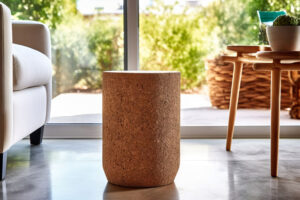 Cork offers endless possibilities for use in the world of furniture, both for making furniture and for creating furnishings and upholstery. Its features make it suitable for any space, from homes to offices, from stores to public spaces.
Cork furniture
Cork furniture is gaining popularity because of its combination of design and functionality. Tables, chairs, bookcases, and shelves made of cork offer not only a unique aesthetic, but also a lightness and strength that make them practical and durable. The ability to customize shapes and finishes allows designers to create original and innovative pieces that fit any decorating style.
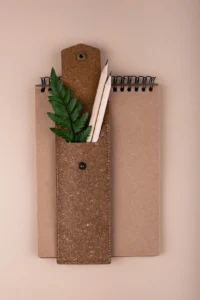 Furniture Complements
In addition to furniture, cork is used for a wide range of furniture accessories, such as trays, lamps, picture frames and decorative accessories. These items not only add a natural touch to spaces, but are also extremely functional. For example, a cork tray is lightweight, durable, and easy to clean, while a lamp with cork elements creates warm, welcoming lighting.
Cork coatings
Cork is particularly popular for floor and wall coverings, where its insulating properties and natural aesthetics make it an ideal choice. Cork floors, for example, offer excellent wear resistance and walking comfort, while cork wall coverings improve room acoustics and add a distinctive design element.
Public and commercial spaces
Cork furniture is not limited to domestic spaces, but also finds application in commercial and public settings. Stores, restaurants, hotels, and offices are increasingly adopting cork solutions to create welcoming and sustainable environments, meeting the growing demand for eco-friendly design.
Cork furniture: a design innovation
Cork furniture represents an evolution in the world of eco-friendly design, combining unique aesthetics, functionality and environmental friendliness. This material, once used primarily for technical or industrial applications, is now finding its place as a central element in modern furniture, demonstrating surprising versatility.
Unique aesthetics: natural textures and warm colors
One of the most fascinating features of cork furniture is its natural texture. The veining and irregularities in the surface give an authentic and distinctive look that is difficult to replicate with synthetic materials. In addition, the warm, earthy colors of cork, ranging from beige to golden brown, go well with a wide range of decor styles, from modern minimalism to traditional rustic.
Durability and resistance to external agents
Despite its delicate appearance, cork is surprisingly durable. This material can withstand scratches, bumps and daily wear and tear, making it ideal for furniture intended for outdoor or heavy use. In addition, cork is naturally water-repellent, a quality that protects it from stains and moisture, ensuring long life even in harsh environments.
Customization and versatility
Cork offers virtually endless possibilities in terms of design and customization. Due to its workability, it can be molded into unique and innovative shapes, allowing designers to experiment and create original furniture pieces. From ergonomic seating to futuristically designed tables, cork lends itself to meeting any aesthetic or functional need.
Cork for furniture: trends and future
The use of cork in furniture is marking a significant turning point in the world of design, becoming a truly global trend. Driven by growing environmental awareness and the desire to integrate natural materials into living spaces, cork represents a perfect synthesis of tradition and innovation. Its versatility, combined with its unique properties and low environmental impact, makes it an increasingly popular choice among consumers and industry professionals.
Increasing demand for sustainable furniture
Sustainable furniture is no longer just a niche, but a necessity for a growing number of consumers. Demand for environmentally friendly and responsible products has seen exponential growth in recent years, fueled by increased environmental awareness. People are looking for solutions that not only respect the environment, but also help improve the quality of life within living spaces.
Cork has emerged as one of the leading materials in this transition. Its ecological credentials, which include renewability, biodegradability and a low-impact manufacturing process, make it an ideal choice for those who want furniture in harmony with nature. In addition, cork does not compromise design: it offers unique textures, warm tones, and a refined appearance, features that make it competitive in terms of aesthetics as well.
 How cork is revolutionizing interior design
Cork is not just an environmentally friendly material; it is a real catalyst for innovation in the world of design. Its ability to combine aesthetics, functionality and environmental friendliness is changing the way we conceive of living and working spaces. Designers are harnessing the unique characteristics of cork to create furniture, accessories, and upholstery that redefine sustainable furniture.
-
Technological innovations in cork processing
Cork is not only a traditional material, but is benefiting from new technologies that make it even more versatile and high-performing. Advanced manufacturing techniques, such as laser cutting and 3D printing with cork granulates, are paving the way for complex, customized designs. These innovations allow for intricate shapes, custom textures, and furniture pieces that stand out for their originality and precision.
In addition, the development of environmentally friendly surface treatments makes it possible to improve the properties of cork, such as resistance to water and chemicals, without compromising its biodegradability. These advances make cork an increasingly competitive choice over synthetic materials.
- Multisensory furniture with cork:
cork is transforming the concept of furniture, not only because of its aesthetics, but also because of its ability to create multisensory experiences. It offers a soft and warm feel to the touch, making it especially pleasant to handle. Visually, its natural grain and colors communicate a sense of authenticity and harmony.
Acoustically, its ability to absorb noise contributes to quieter and more relaxing environments.This combination of sensory stimuli makes cork a material that not only decorates a space, but also enriches it, improving the overall well-being of those who live in it. - Cork as an element of space customization:
one of the most interesting qualities of cork is its ability to adapt to the specific needs of spaces. Modular cork panels, for example, allow walls to be customized with unique textures and colors, creating distinctive atmospheres. These panels can be combined to form mosaics or geometric patterns, offering endless creative possibilities.In addition, cork coatings can be used to enhance furniture and furnishings, transforming ordinary pieces into customized design elements. This flexibility makes it ideal for architects and interior designers looking for innovative solutions for customized projects. - Cork and the creation of hybrid spaces:
with the growing interest in hybrid spaces that combine work and relaxation, cork has emerged as an ideal material to meet these new needs. Its ability to absorb noise and regulate humidity makes it perfect for environments such as home offices, coworking and relaxation areas.For example, cork partition walls not only insulate acoustically but also add a touch of natural design. Cork tables and desks, on the other hand, combine strength and lightness, offering durable and aesthetically pleasing work surfaces. These elements contribute to multifunctional environments that stimulate productivity and well-being. - Cork as an answer to biophilia in design:
biophilia, or the connection between humans and nature, is one of the most influential trends in contemporary interior design. Cork embodies this principle perfectly, as its natural origin and organic appearance create an immediate connection with the environment. The use of cork furniture and upholstery helps to recreate environments that evoke nature, reducing stress and improving psychological well-being.In urban settings, where contact with nature is often limited, cork is a practical solution for bringing a touch of green to living and working spaces. Its versatility also allows it to be easily integrated with plants, wood and other natural components, amplifying the biophilic effect.
Because of these characteristics, cork is gaining a place of honor in the world of interior design, becoming a benchmark for architects, designers, and interior designers who seek innovative and responsible solutions.
Cork takes center stage in eco-friendly furniture
Eco-friendly cork furniture represents more than just a trend: it is a conscious choice that combines respect for the environment, innovation and style. Thanks to its unique properties and versatility, cork is revolutionizing the world of interior design, offering solutions that meet the needs of an increasingly sustainability-oriented market.
Adopting cork for furniture means not only choosing a natural material, but also actively contributing to a greener and more responsible future. Whether it is furniture, furnishings, or upholstery, cork proves that it is possible to combine aesthetics, functionality, and environmental commitment in a single solution. A message of change that inspires designers, manufacturers and consumers toward a new vision of living.