With growing concern about the environmental impact of waste and consumer demand for more sustainable products, green packaging has become a central issue for many companies. In recent years, materials such as cork have emerged as attractive options for packaging due to their unique properties and inherent sustainability. In particular, the use of cork for food packaging and other types of packaging offers many benefits, making it an ideal option for companies that want to contribute to a greener future.
What is eco-friendly packaging and why is it important?
Green, or eco-friendly, packaging refers to all those packaging materials and processes designed to minimize environmental impact. Key features of green packaging include biodegradability, recyclability and sustainability, in contrast to traditional packaging materials such as plastic, which can take hundreds of years to decompose. According to the study“A Consumer Definition of Eco-friendly Packaging” by Nguyen et al. (2020), consumers attach great importance to the sustainability of packaging, with preference for those made from biodegradable and recyclable materials.
Eco-friendly packaging helps reduce the amount of waste in ecosystems and is a solution to combat plastic pollution. In addition to the obvious environmental benefits, adopting eco-friendly packaging can improve brand image and foster consumer loyalty, as highlighted by the study “Communicating Packaging Eco-friendliness” (Magnier & Crié, 2015), which explores the link between eco-design and consumer response. By implementing green packaging solutions, companies not only meet customer expectations, but also promote more sustainable practices throughout the supply chain.
Cork: a natural and sustainable material for packaging
Cork, derived from the bark of the cork oak tree (Quercus suber), is a unique material for sustainability and effectiveness in packaging. Widespread mainly in Mediterranean regions, particularly in Portugal, Spain and Italy, cork represents a natural resource that is renewed over time. Bark harvesting can take place every 9-10 years without damaging the tree, as the plant spontaneously regenerates its outer layer. This cycle makes cork a renewable resource par excellence and a material that supports the biodiversity of cork forests, home to many protected species, including the extremely rare Iberian lynx.
In addition to preserving the plant, the bark regeneration process actively contributes to the fight against climate change. During the regrowth period, the tree absorbs large amounts of CO₂, turning it into oxygen and contributing to the reduction of the greenhouse effect. Indeed, cork forests absorb millions of tons of carbon dioxide each year, a factor that makes cork not only renewable but also essential to mitigating global warming. This natural commitment of cork to combating emissions makes its use in packaging even more relevant in an age when sustainability is crucial.
 Properties of cork suitable for packaging
Cork offers a number of inherent characteristics that make it ideal for ecological packaging, especially in food packaging. Among its main properties, biodegradability andelasticity are key to creating durable yet environmentally friendly packaging. Unlike materials such as plastic, cork naturally decomposes at the end of its life cycle, reducing its environmental impact and offering a viable alternative to nonrenewable materials.
Another key advantage of cork is its natural waterproofing. This property is due to the presence of suberin, a hydrophobic substance that makes cork highly resistant to moisture and external agents, without requiring additional chemical treatments. This means that it can protect the contents from external contamination, keeping the organoleptic properties of food intact and limiting the entry of bacteria and other harmful agents. Because of this impermeability, cork is also highly resistant to decomposition, making it perfect for packaging perishable products.
In addition, the cellular structure of cork, composed of millions of microscopic air-filled cells, makes it an excellent thermal insulator. This maintains the freshness of packaged products by reducing temperature variations within the packaging. This is especially beneficial in the food industry, where stable temperatures help extend the shelf life of fresh products such as cheeses, meats and wines. Finally, the elasticity and lightness of cork also make it an ideal material for protective packaging that can absorb shock and protect contents without adding weight.
Versatility of cork in food packaging and beyond
The versatility of cork makes it a perfect option for packaging different types of products, particularly in the food sector. Its ability to absorb shock without deforming and its durable and malleable structure make it ideal for packing fragile and valuable items. In food packaging, cork can be used to make caps, containers, and liners that maintain food quality due to its insulating and protective properties.
- Packaging for fresh produce: in the case of fresh food products such as fruits, vegetables, and cheese, cork offers significant advantages. Its natural breathability prevents condensation, ensuring optimal storage and limiting the growth of mold and bacteria. This results in an extended shelf life, also helping to reduce food waste.
- Corks and coatings for the wine industry: one of the most well-known uses of cork is in the production of corks for wine bottles. Because of its ability to insulate without compromising transpiration, cork allows wine to mature gradually, preserving flavor and aroma. This quality makes it an irreplaceable material in the wine industry and is one of the leading examples of natural and eco-friendly packaging.
- Packaging for high-end products: in the premium segment of the market, cork is used to create packaging for luxury items such as perfume, jewelry, and high-value electronic products. Its natural, pleasant-to-touch texture, combined with a perception of exclusivity, makes cork a popular material for conveying a sophisticated and sustainable image. Many brands also choose cork for the packaging of cosmetics and organic products, where a focus on nature and sustainability is particularly valued.
- Environmentally friendly filling material: cork can be used as a filling material instead of Styrofoam or other synthetic foams. Because it is lightweight and impact resistant, it can be used to protect fragile products during transportation, reducing environmental impact and offering a biodegradable alternative to traditional fillers. The ability to grind and recycle cork also makes it a circular option that can be used again and again.
Cork is a versatile, sustainable and highly functional material for a wide range of packaging applications. Its natural origin and ability to regenerate make this material an environmentally friendly choice that supports biodiversity and reduces environmental impact. From food preservation to the protection of luxury items, cork is an effective and sustainable alternative, perfectly in line with the needs of an increasingly sustainability-conscious market.
Advantages of cork in food packaging
The food industry is one of the sectors that benefits most from cork packaging because of the properties that make it ideal for food preservation.
Cork for food preservation
As we mentioned, cork is able to maintain a stable internal temperature, helping to preserve the freshness of food. Its breathable nature helps regulate moisture inside the packaging, an essential factor in preventing mold growth or bacterial growth, thus ensuring greater durability of products. Because of its ability to keep produce fresh, cork is well suited as packaging for fresh and perishable products, such as fruits, vegetables, and dairy products.
Reducing food waste
One of the side effects of traditional packaging is food waste, often due to inadequate packaging that does not properly protect or preserve products. Studies such as “Can Eco-design Packaging Reduce Consumer Food Waste?” (Zeng et al., 2021) highlight how eco-design, or the design of packaging that is environmentally friendly and suitable for food storage, can help reduce food waste. Cork, with its insulating and breathable properties, is an excellent solution for prolonging the freshness of food products, thereby reducing waste and contributing to a more sustainable supply chain.
Attraction for the conscious consumer
Cork is a material that is increasingly attracting conscious consumers, that is, those who prefer environmentally friendly products. For those seeking natural and sustainable options, cork is perceived as a high-value alternative in line with an environmentally conscious lifestyle. The aforementioned study by Magnier & Crié (2015) confirms that the use of natural and eco-friendly materials in packaging can improve the perception of a brand, making cork an attractive choice for brands wishing to promote sustainability.
Packaging cork: other uses and functionalities 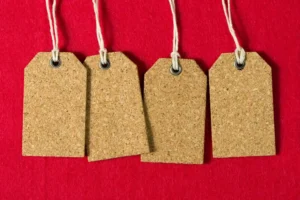
In addition to food packaging, cork also finds use in other types of packaging because of its ability to protect the contents from impacts and external agents.
Non-food applications of cork packaging
In non-food packaging, cork is used to protect fragile items such as glassware, ceramics, electronics, and other sensitive products. Thenatural elasticity of cork makes it impact resistant, providing effective protection during transport. In addition, cork is lightweight, reducing shipping costs and the environmental impact of transportation itself, an added benefit for companies that want to optimize their logistics operations.
Saving and reducing waste
Unlike Styrofoam and other synthetic materials commonly used in packaging, cork is biodegradable and recyclable. This means that once its life cycle as packaging is over, the cork can be disposed of without polluting the environment or be reused to create other products. This feature significantly reduces waste, contributing to a circular economy.
The commercial advantages of cork for ecological packaging
Using cork for ecological packaging can be a competitive advantage for many companies, particularly those in the food sector and in environmentally sensitive markets.
Increased Brand Value
Companies that adopt eco-friendly materials such as cork can benefit from an improved brand image, standing out in the market. Sustainable packaging not only reinforces the brand’s message of environmental responsibility, but can also justify a higher price, as consumers are willing to pay more for products with a reduced environmental impact.
Market responses and trends in sustainable packaging
Recent trends indicate a growing demand for environmentally friendly and sustainable packaging. More and more consumers are choosing products that use natural and biodegradable materials, research on purchasing preferences shows. This growing trend offers companies a unique opportunity to differentiate themselves by using cork for packaging and meeting the needs of sustainability-conscious customers.
Benefits for food companies
For food companies, cork offers a packaging solution that combines sustainability and efficiency. The ability to store fresh produce for longer periods reduces costs and limits waste, enabling a more sustainable supply stream and efficient distribution.
The use of cork for ecological packaging is an innovative and sustainable choice, ideal for companies wishing to reduce their environmental impact without compromising product quality. Due to its natural, biodegradable and renewable properties, cork is one of the best alternatives to synthetic materials and offers benefits for both producers and consumers. Companies that choose cork as their packaging material can make a significant difference, contributing to a more sustainable world and strengthening their commitment to the environment. Contact us, and create your own sustainable packaging.